Wood Fence Installation in Tulsa
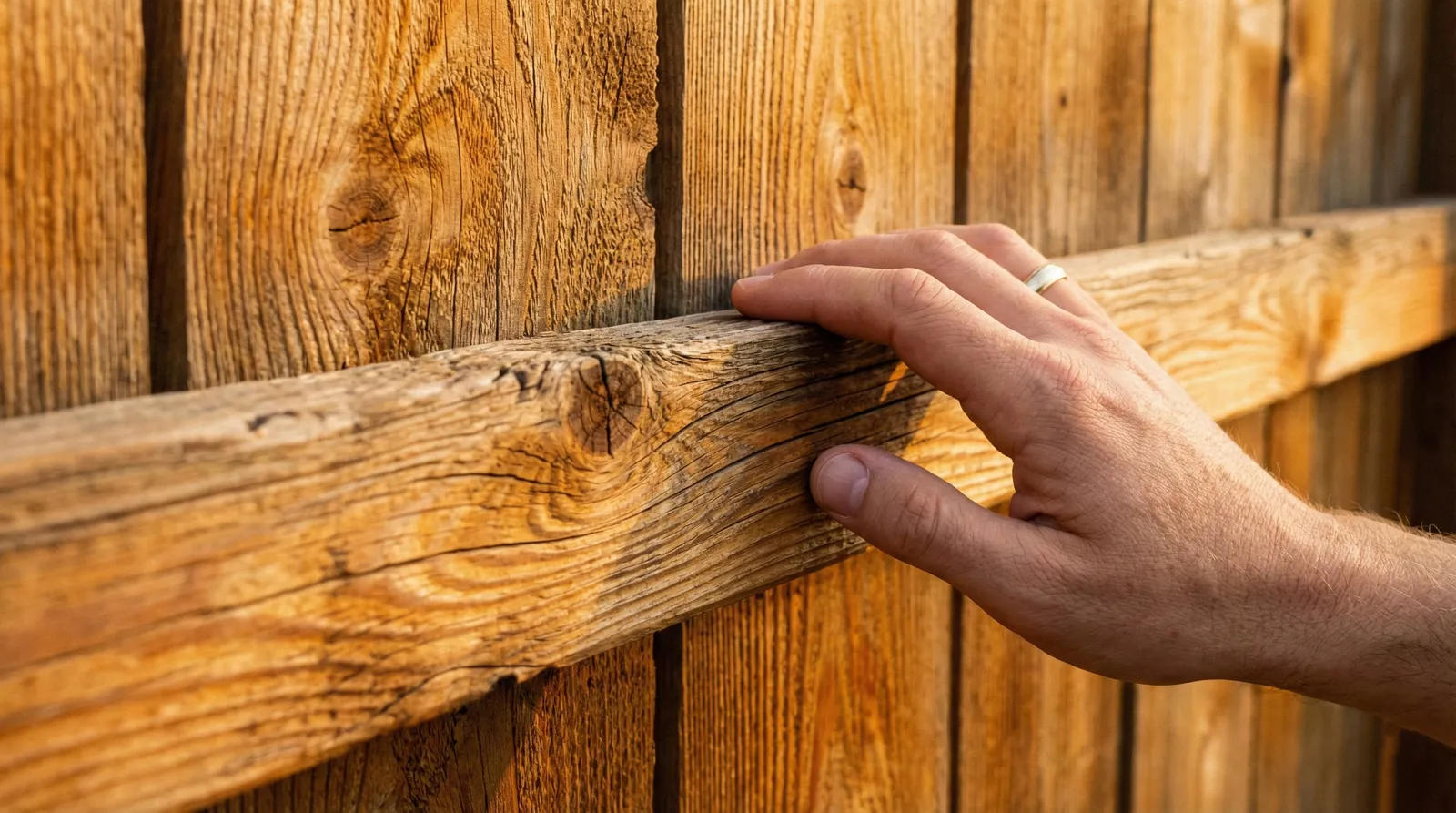
Request an Estimate (918) 918-4647There is something about wood that other fencing materials cannot replicate. It feels solid when you grab a rail. It weathers and ages in a way that looks natural rather than worn out. When your kids eventually carve their initials into it, that becomes part of the story.
Maybe you want the classic picket fence along the front sidewalk. Maybe you need tall boards in the backyard so you can enjoy a Saturday afternoon without feeling like you are on display. Whatever the vision, wood gives you options that metal and vinyl simply do not.
The catch is that wood demands respect. Cheap lumber warps. Shallow posts lean after the first storm. Skip the stain and the sun turns your investment gray and cracked. We have fixed plenty of fences where someone cut corners on materials or installation.
We build wood fences throughout Tulsa that are designed to actually last in Oklahoma conditions. That means selecting lumber appropriate for what you want to spend and how long you want it to hold up, setting posts at depths that keep them vertical through clay soil cycles, and building the kind of structure that still looks straight five years from now.
What's Included
Here is what happens when you hire us for a wood fence:
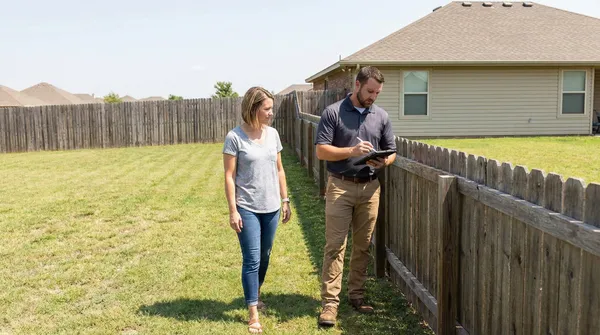
- We visit your property, measure where the fence will go, and talk through what you are trying to accomplish
- You get guidance on wood species and grades: what makes sense for your budget and durability expectations
- Underground utilities get located and marked before we dig anything
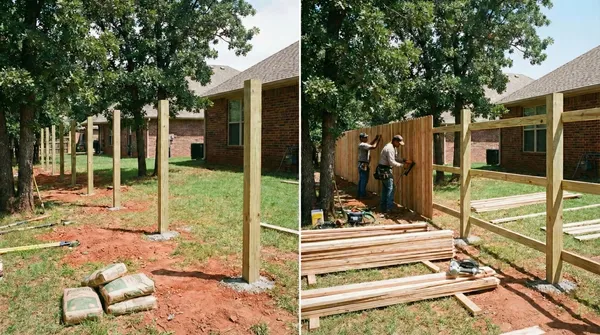
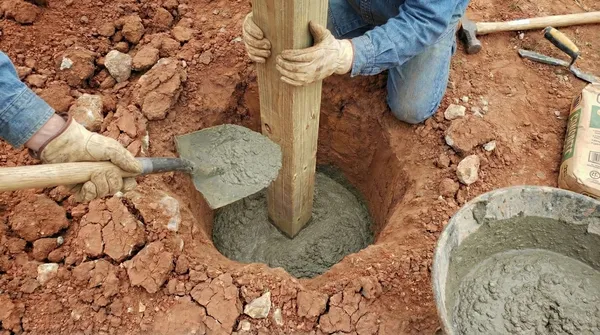
- Posts go into holes at the right depth for your fence height and the soil on your lot, set in concrete
- We use lumber from suppliers we trust, not whatever is on sale at the big box store
- Rails and pickets get attached level and plumb with consistent spacing
- Gates are built to fit properly and swing without dragging
- All the scrap, packaging, and mess goes home with us
- We walk the finished fence with you before calling the job done
Same approach whether it is 50 feet of picket fence or 400 feet around a property line. The details matter.
Options and Materials
Wood fencing is not one thing. Different species and styles serve different purposes. Here is what you should know:
Cedar
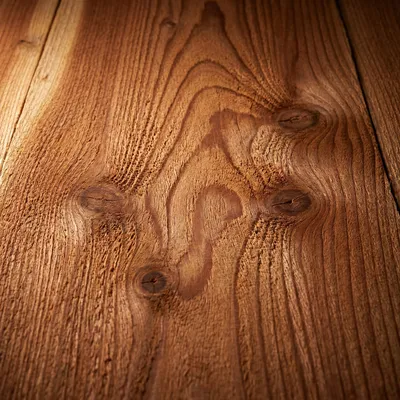
Natural oils make cedar resistant to rot and bugs. It starts out with a warm reddish color and turns gray if you leave it alone. Costs more than pine, but typically outlasts it and asks less of you in terms of upkeep.
Pressure-Treated Pine
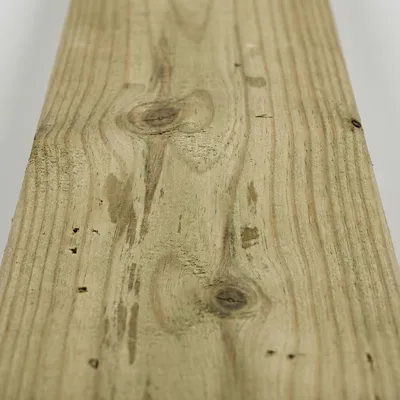
The affordable option. Chemical treatment protects against rot and insects. Takes stain or paint well if you want a particular look. You will need to maintain it more actively than cedar, but many homeowners prefer the trade-off.
Redwood
Beautiful and durable, but not commonly used in Oklahoma because of cost and sourcing. If this is your preference, we can make it happen.
Privacy Panels
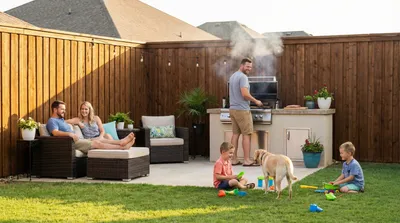
Boards set tight together with no gaps. Usually 6 feet tall, sometimes 8. This is what most people picture when they think about a backyard fence.
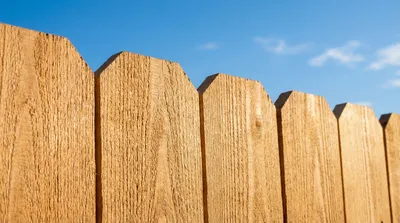
Picket Fence
Shorter boards with spaces between them. Traditional look for front yards and property definition. Does not block views or contain large dogs, but marks territory with charm.
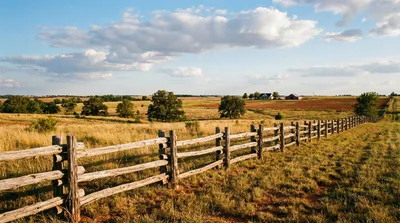
Split Rail
Horizontal rails with no pickets. Rustic, often used on larger lots or around gardens. Not privacy fencing, but it defines spaces without blocking sightlines.
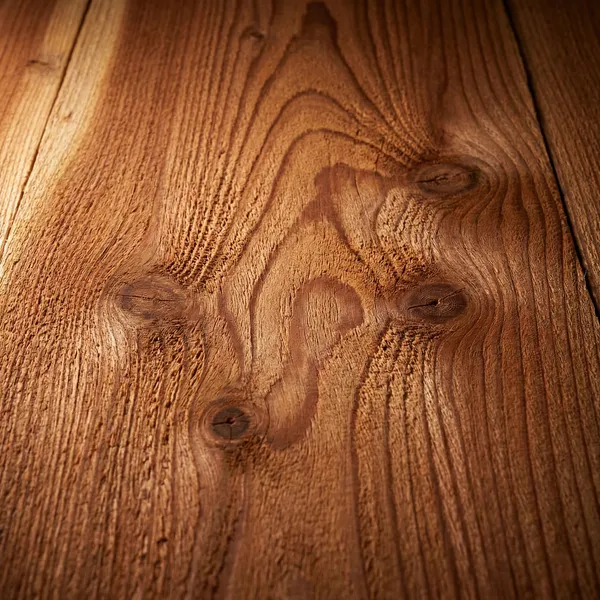
We bring samples when we come out. Pictures on a website only tell you so much. Holding the actual wood helps you decide.
The FenceBee Process
You should know what happens before, during, and after. No mysteries:
- 1
Property Visit
We meet at your place, walk the fence line together, measure, and talk about options. Expect 30-45 minutes. Come with questions.
- 2
Quote
Within a few days, you get a written estimate. Line items show what you are paying for. The total is the total.
- 3
Scheduling
If the quote works, we pick an installation date. You get start and expected completion times.
- 4
Before Installation
Utilities get marked. You move things away from the fence line. We confirm access.
- 5
Day One
Posts go in. Holes get dug to the right depth, posts get set vertical, concrete goes in around them. We leave it overnight to cure.
- 6
Day Two and Beyond
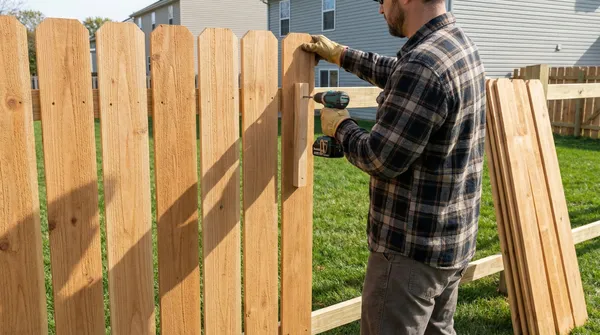
Rails attach to posts. Pickets attach to rails. Gates get built and hung. Depending on the project size, this takes one to three days.
- 7
Final Walk
We walk it together. You point out anything that looks off. We make it right before we finish.
Timelines and Scheduling
Once work starts, most wood fences take 1-4 days. A typical backyard wraps up in two days. Bigger properties or complicated layouts with lots of gates take longer.
Getting on the calendar usually means waiting 1-3 weeks after you approve the quote. Spring and summer book faster. If you are planning for a particular event or deadline, let us know early.
Weather matters. We do not set posts in mud or pour concrete in freezing temperatures. If conditions force a delay, we let you know.
Start to finish, from your first call to walking the completed fence, figure 3-4 weeks in most cases.
Pricing Factors
Every property is different. Here is what moves the price up or down:
- How many feet of fence you need
- Cedar costs more per foot than pine
- Taller fences use more wood and need deeper posts
- Board-on-board or custom patterns use more lumber than basic designs
- More gates mean more hardware and more time
- Slopes, rocks, and tree roots make installation harder
- Removing an old fence adds to the project
- Staining at installation is an add-on service
We quote after seeing your property. Anything else would be guessing, and guessing does not help either of us.
Tulsa-Specific Considerations
Oklahoma is hard on fences. Summer heat bakes wood. Spring storms throw debris. Ice and temperature swings stress joints and posts.
The soil here varies. Some parts of Tulsa have heavy clay that expands when wet and contracts when dry. That movement pushes posts around if they are not set deep enough. Other areas have rock or sand that present different challenges. We adjust based on what your specific lot has going on.
Wood moves too. Boards shrink and swell with humidity. We account for that in how we attach things, so gaps stay reasonable and boards do not split.
Local codes apply. Height limits, setbacks from property lines, HOA rules might all affect your project. We check during the consultation so you know what to expect.
Frequently Asked Questions
Should I go with cedar or treated pine?
Cedar costs more but typically lasts longer with less work. Pine saves money upfront and performs well if you keep up with maintenance. Neither is wrong. It depends on your budget and how much attention you want to give it over the years.
When should I stain a new wood fence?
Wait a few weeks or even a couple months. New wood needs time to dry out so stain absorbs properly. We can come back and do the staining later, or you can handle it yourself.
Can you make it match my house or landscaping?
Usually, yes. We discuss the look you are going for during the consultation and recommend stain colors and styles that fit. Bring photos of ideas you like.
What if a board gets damaged later?
Single boards can be replaced without tearing down sections. We can help with repairs, or you can handle simple fixes yourself. Keep a few spare boards from the installation for future use.
What should I do before you arrive?
Move patio furniture, potted plants, and anything else away from the fence line. Flag sprinkler heads if they are close. Make sure we can get back there with tools and materials. Keep dogs and kids inside or away from the work area.
Related Services
Why Choose FenceBee?
Clear, Professional Process
From first call to final walkthrough, you know what to expect at every step.
Respect for Your Property
We treat your yard like our own, with thorough cleanup after every job.
Straightforward Communication
No surprises, no jargon. Just honest answers and clear timelines.
Workmanship You Can Trust
Skilled crews with years of hands-on fencing experience.
Ready to Get Started?
A good wood fence changes how you use your property. When you are ready to talk about it, reach out for a free on-site consultation. We will measure, discuss options, and give you a straightforward quote.