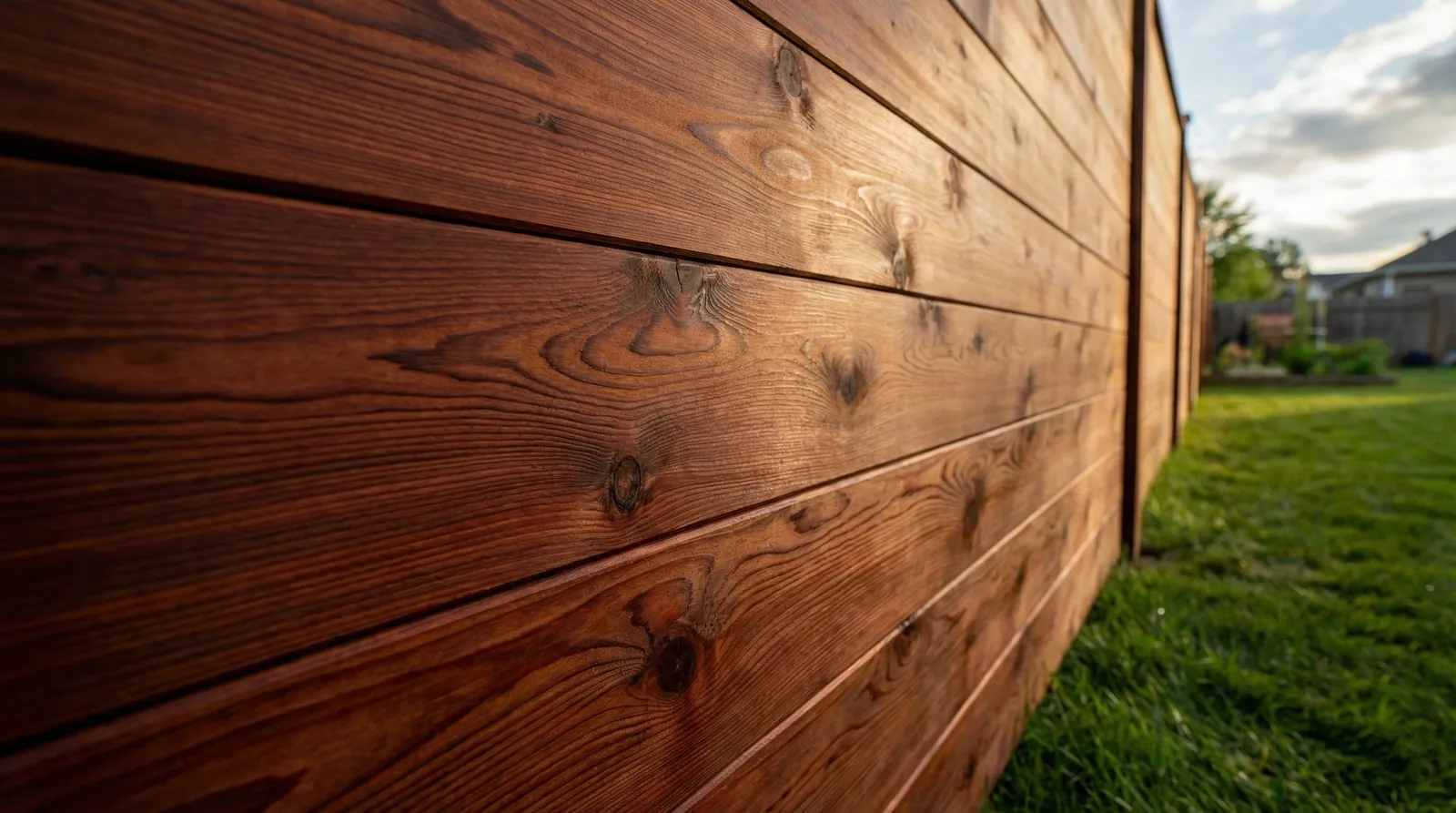
Cedar Fence Installation in Tulsa
Request an Estimate (918) 918-4647You could go with treated pine. It costs less upfront. Plenty of people do. But you have probably noticed how those fences look after five or ten years. The gray, the warping, the boards that start to split. The maintenance that never quite happens.
Cedar is different. The natural oils in the wood naturally fight off rot and insects without chemical treatment. It weathers slowly, and when it does weather, it looks intentional rather than neglected. Plenty of homeowners actually prefer the silver-gray patina that develops over the years.
Yes, cedar costs more. But you pay once and then you spend less time and money maintaining it afterward. For a lot of Tulsa homeowners, that trade-off makes sense.
We install cedar fences throughout Tulsa and surrounding areas. Western Red Cedar, sourced from suppliers who understand the difference between good cedar and cheap cedar. If you are going to invest in this material, it should be installed in a way that maximizes what you are paying for.
What's Included
Here is what happens when you hire us for a cedar fence:
- We bring actual cedar samples to your property so you can see and feel the wood before deciding
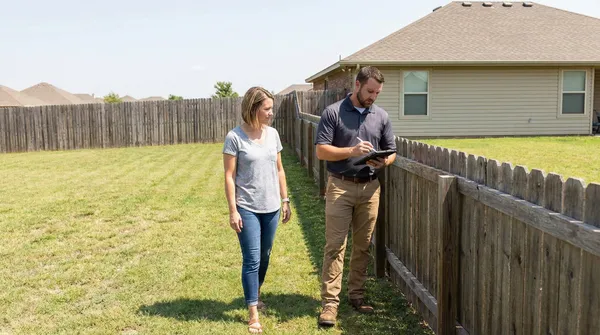
- We measure where the fence will go and assess any terrain issues
- Underground utilities get located before we dig anything
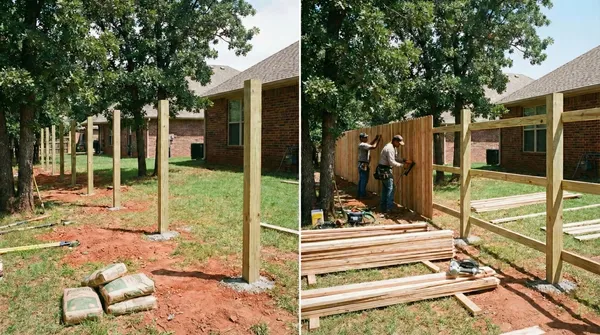
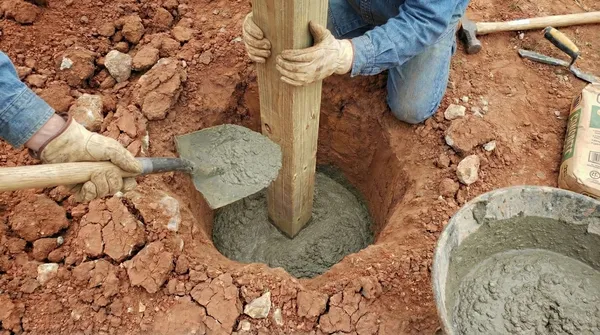
- Posts go in at the right depth for your soil and fence height, set in concrete
- We use quality Western Red Cedar, not seconds or utility grade
- Rails and pickets get attached with stainless steel or coated fasteners that will not leave rust streaks
- Gates are built from matching cedar with hardware that can handle the weight
- All the debris and packaging leaves with us
- We walk the finished fence with you before calling it done
Cedar deserves proper handling. We treat it like the premium material it is.
Options and Materials
Cedar fencing comes in several configurations. The wood stays the same, but the look can vary:
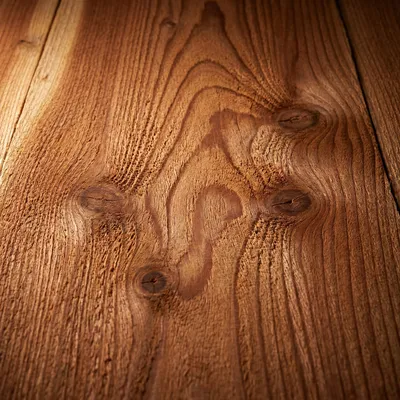
Western Red Cedar
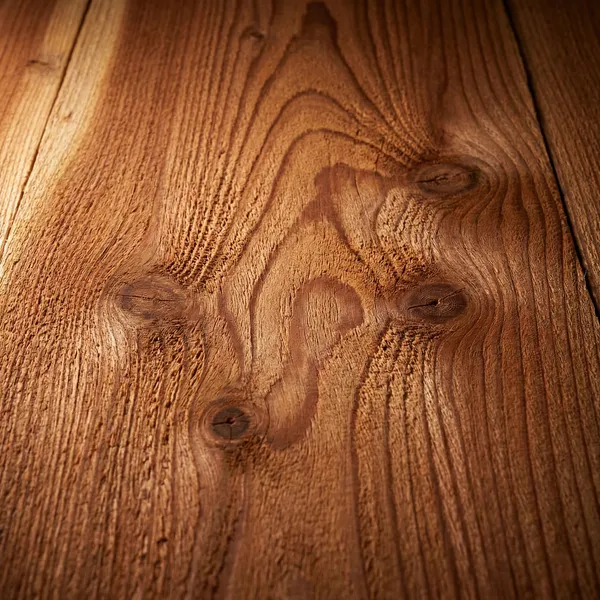
Tight grain, natural oils, excellent weather resistance. This is the cedar most people have in mind when they specify the material. It costs more than other cedars but performs significantly better.
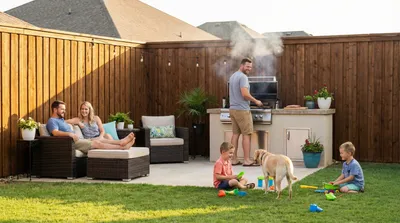
Privacy Design
Solid boards blocking views completely. The warm cedar color adds something that treated pine cannot match. Board-on-board construction means no gaps even as the wood seasons.
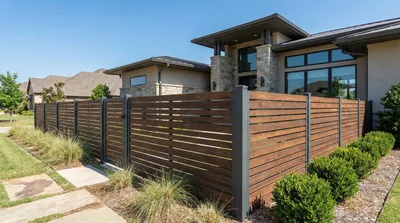
Horizontal Slat
Modern layouts with boards running side to side. Natural cedar works well with clean, contemporary lines. Popular with newer homes and updated landscaping.
Picket Style
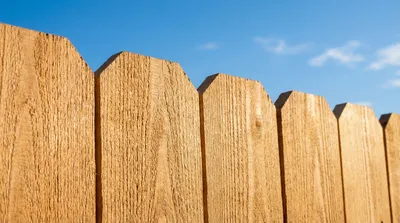
Traditional front-yard look, but in cedar. Weathers evenly without the constant repainting other woods demand.
Natural or Stained
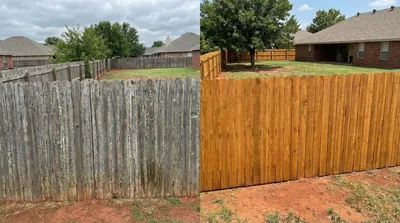
Left alone, cedar turns silver-gray over a few years. Many people like that look. Staining preserves the original reddish tone and adds extra protection. Either works.
We have photos of past projects and samples to help you decide. Most people know what they want once they see the options in person.
The FenceBee Process
Cedar projects follow a predictable path:
- 1
Property Visit
We come to your place with cedar samples. You see the actual material, we measure and discuss options, you get answers to your questions.
- 2
Quote
We send a written estimate specifying cedar grade, design, and total price. Everything is itemized. What you see is what you pay.
- 3
Material Sourcing
We order your cedar from our suppliers. Availability varies by season, which affects scheduling. We confirm timing when the order is placed.
- 4
Pre-Installation
Utilities get marked. You clear the fence line. We coordinate so everything is ready when we arrive.
- 5
Posts Go In
Posts get set in concrete at the correct depth. We let the concrete cure before putting weight on the fence.
- 6
Building
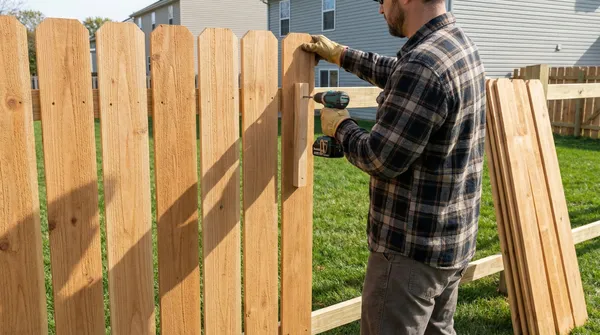
Rails and cedar pickets go up with careful attention to alignment. We use fasteners designed for cedar to prevent staining and corrosion.
- 7
Finish
Gates, hardware, final adjustments. We walk it with you and make sure everything looks right.
Timelines and Scheduling
On-site work usually takes 2-4 days depending on how much fence you need and how complex the layout is. Posts go in first, then rails and pickets after the concrete sets up.
Cedar is a specialty material. Supply fluctuates with the season, and sourcing quality lumber takes longer than grabbing treated pine off the shelf. Most projects schedule 2-4 weeks out once you approve the estimate.
Total time from first conversation to finished fence is usually 3-5 weeks. Booking earlier in the season helps if you have a deadline.
Pricing Factors
Cedar costs more because it is worth more. Here is what affects your specific price:
- How many linear feet of fencing you need
- Grade of cedar: higher grades cost more but look better and last longer
- Fence height: 6-foot versus 8-foot changes material amounts and post depth
- Design: horizontal layouts and board-on-board construction take more time
- Number of gates and the hardware they need
- Site conditions: slopes, access issues, rocky soil
- Staining at installation if you want to protect the original color right away
The difference between cedar and pine is real. You are paying for longer life, lower maintenance, and better appearance. We explain the costs clearly so you can decide if it fits your situation.
Tulsa-Specific Considerations
Oklahoma weather tests fences. Cedar handles it well because the natural oils protect against humidity and temperature swings that damage other woods.
Tulsa summers hit with serious UV. If you want to keep the original reddish color, staining helps. Left natural, cedar turns silver-gray, which plenty of homeowners actually prefer.
The soil here varies. Clay that expands and contracts, rocky areas that resist digging. We adjust post depth and concrete based on what your lot has. That prevents the leaning you see in fences where posts were not set properly.
Termites and wood-boring insects are real problems in Oklahoma. Cedar resists them naturally, without the chemicals used in treated wood. That resistance lasts the life of the fence.
Frequently Asked Questions
Why pay more for cedar instead of treated pine?
Cedar lasts longer, needs less maintenance, and looks better over time. It resists rot and insects naturally. The upfront cost is higher, but the total cost over the fence life is often lower because you spend less maintaining it.
Do I have to stain cedar?
No. Cedar can weather naturally to silver-gray, which many people like. Staining preserves the original color and adds protection, but it is optional.
How long will a cedar fence last?
With proper installation and basic maintenance, 15-25 years or more. Some cedar fences last decades. Staining extends life further.
Is cedar a more natural option?
Cedar achieves its durability without chemical treatment. If you prefer avoiding those chemicals, cedar is a solid alternative to pressure-treated wood.
What upkeep does cedar need?
Check it once a year for damage. Keep plants trimmed back. Stain every 2-3 years if you want to preserve the color. That is less work than most wood fences require.
Related Services
Why Choose FenceBee?
Clear, Professional Process
From first call to final walkthrough, you know what to expect at every step.
Respect for Your Property
We treat your yard like our own, with thorough cleanup after every job.
Straightforward Communication
No surprises, no jargon. Just honest answers and clear timelines.
Workmanship You Can Trust
Skilled crews with years of hands-on fencing experience.
Ready to Get Started?
Cedar is worth the investment if long-term value matters to you. Reach out for a free consultation. We will bring samples, show you what is possible, and give you a clear price. No obligation, just information.